KHPROFESSIONAL IMAGE
& WORKPLACE ETIQUETTE

MINDSET · MANNER · MESSAGE · IMPACT

Show up with
purpose.
Leave an impression
that matters.

Professional Image & Workplace Etiquette

Thoughtful guidance for the way you present yourself, communicate, and treat people at work.

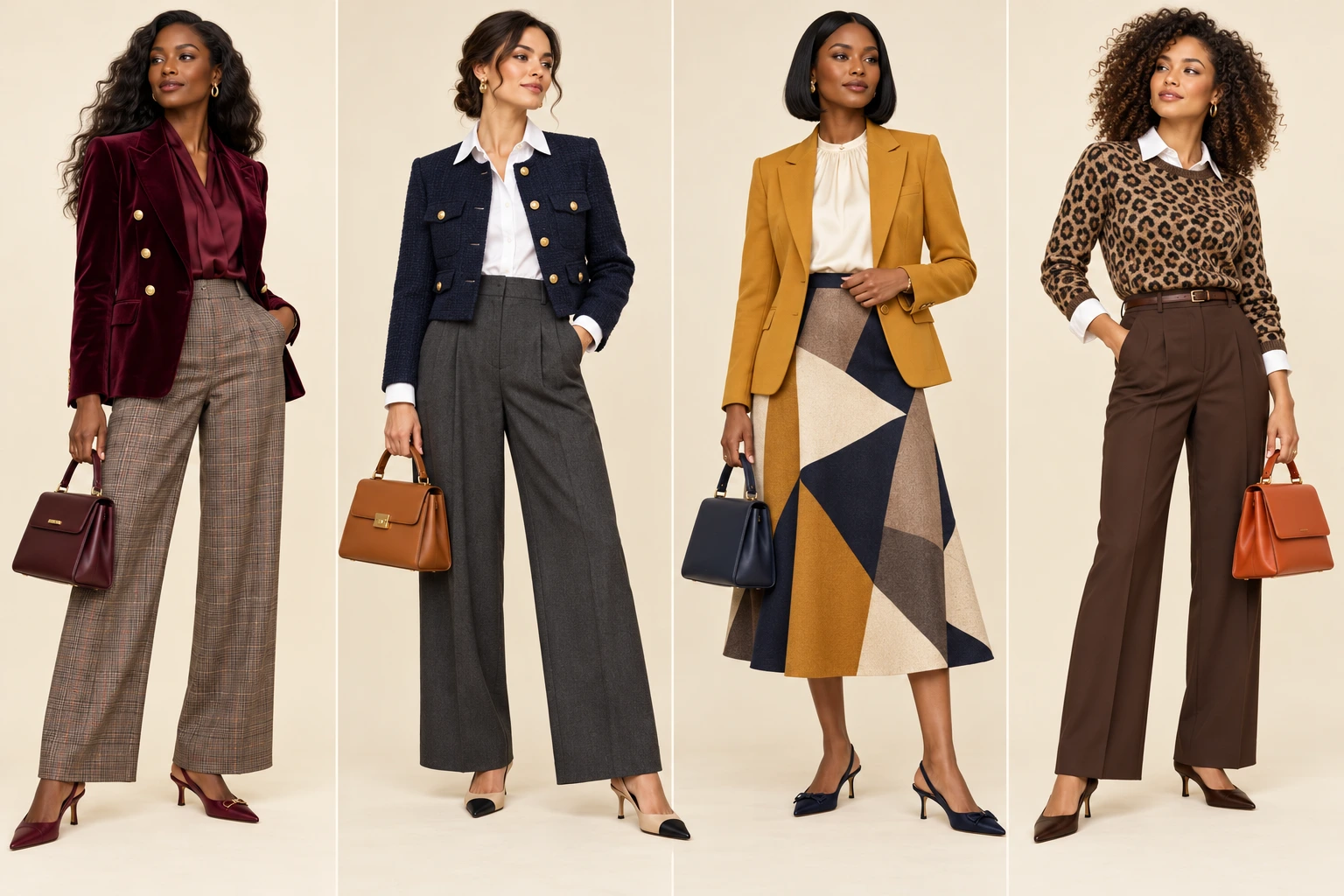
Four original professional looks featuring burgundy velvet, navy tailoring, mustard with color blocking, and a leopard knit
THE STYLE EDIT / SIGNATURE STYLE
“I respect myself. I respect this opportunity.
I respect the people I work with.”

WELCOME TO ON TAYLOR STREET

Your next step.
Your own presence.

Whether you are preparing for a new opportunity or refining how you show up each day, begin with what you need most.

NEWEST IN THE SERIES / PART 16

A Good Salary Opens the Door.
A Great Culture Makes You Want to Stay.

Explore fair compensation, respectful leadership, opportunities to grow, and how we each contribute to the workplace experience. Read the expanded edition or the original LinkedIn write-up.

Read Part 16 →

THE READING ROOM

Good judgment.
Everyday practice.

Explore the lessons behind a stronger professional presence—from your first impression to the conversations that test your patience.

Parts 1–16 are available as expanded website editions, with the original LinkedIn write-ups preserved. Headings for Parts 1, 2, 3, 4, and 6 have been supplied by the author.

THE PROFESSIONAL STYLING TAB

Stylish. Professional.
Unmistakably you.

Professional presence with personality. Explore rich color, beautiful textures, confident proportions, and distinctive shoes—then make each look your own. Style and professionalism belong in the same wardrobe.

WOMEN’S STYLE

Expressive. Refined. Yours.

Outfit inspiration and practical instruction, grounded in Kwajalyn’s professional image series.

MEN’S STYLE

Tailored with character.

Outfit inspiration and practical instruction, grounded in the same professional image principles.

COLOR STORY 01

A foundation in neutrals.

Cream brings lightness, navy adds structure, and camel or chocolate adds warmth. Repeat one color in your bag or shoes to bring the look together.

Original AI-created styling boards curated for this series, inspired by the author’s reference boards. These are outfit concepts, not product listings, brand endorsements, or shopping links. Choose your preferred heel height or flats, and adapt every look to your employer’s dress code and your comfort.

01 / FIT

Comfort supports confidence.

Choose pieces that let you sit, walk, reach, and move comfortably through your workday.

02 / CONTEXT

Read the room.

Let your workplace dress code, duties, and meeting schedule guide how formal you go.

03 / FINISH

Care is in the details.

Clean shoes, cared-for fabrics, and considered accessories help a simple outfit feel complete.

WOMEN / OUTFIT INSPIRATION

Style with presence.
Purpose in every detail.

Rich color, texture, and tailored proportions show how professional clothing can express personality. Use the complete looks as inspiration, then choose the pieces and shoe heights that work for you.

Select the image to enlarge it.
Continue to women’s instruction & visuals ↓

WOMEN / PUT THE PRINCIPLES INTO PRACTICE

Present your style with intention.

01 / PRESENTATION

Let preparation support the look.

Choose a cared-for blouse, dress, skirt, or trouser combination that suits the day. Check seams, fastenings, shoes, and coverage before you leave. Your outfit introduces you; your readiness gives it substance.

Read Part 2: appearance & preparation →

02 / CONTEXT

Let the setting guide the choice.

Use color, texture, and accessories to express your style within your employer’s expectations. Check neckline, fabric coverage, slit height, and hem length while sitting, bending, and walking. For evening events, follow the invitation rather than assuming one standard.

Read Part 3: style & workplace expectations →

03 / RESPECT

Address the clothing with dignity.

If a dress concern arises, ask which written expectation applies. Leaders should discuss the garment and the standard privately, without comments about the person’s body or character. A respectful explanation makes the next step clear.

Read Part 4: respectful dress guidance →

04 / CONSISTENCY

Complete the impression with conduct.

A polished outfit works best alongside dependable work, discretion, and courtesy. Let your preparation and follow-through build the same reputation as your presentation, even when nobody is watching.

Read Part 7: your professional reputation →

See it: skirt & dress length

Bottom row: NOT OFFICE-APPROPRIATE. The short hem and dragging hem are examples to avoid for the office. Select the image to enlarge it.

Knee and midi lengths are useful starting points for many professional settings. Check your employer’s dress code, the garment’s fit and slit height, and coverage while sitting, bending, and walking. Short hems may not provide the expected coverage while seated; floor-dragging hems can interfere with movement. These are garment guidelines, not judgments about a person’s body or professionalism.

Adapt these examples to your workplace, duties, comfort, and individual expression. The principles apply across wardrobes; the examples are starting points.

Office-appropriate coverage: let your work hold the attention.

Building on Part 3, a dress or skirt that is too short to maintain coverage when sitting or bending is not appropriate for a typical business office. A neckline that exposes substantial cleavage also needs an adjustment for the workday. Choose a higher neckline, add a secure camisole, or reserve the garment for another setting. Check the outfit in motion before leaving home.

Neckline check: the low-cut example needs added coverage for the office; the inset shows one solution. Select to enlarge.

Your style can be memorable while your knowledge and contribution stay at the center of the conversation. These examples concern garments and workplace expectations, not anyone’s body or worth. Read Part 3: When Personal Style Becomes a Workplace Issue →

WOMEN / HEMS & SHOES

The right length depends on the shoe.

Select the visual to enlarge it.

Full length: straight & wide leg

With flats, choose a clean fall near the top of the shoe, keeping fabric off the ground. With heels, fit the hem while wearing that heel height: a long leg line should still clear the floor and the back of the heel. A pair hemmed for heels may drag when worn with flats.

Consider a versatile hem for your usual shoe height or separate pairs for different heights. Do not sacrifice comfortable walking for a longer silhouette.

Ankle, cropped & bootcut

A deliberate ankle or cropped hem can pair with pointed flats, loafers, or pumps without creating a traditional trouser break. Check the balance while standing and sitting; shorter is a style choice, not automatically a poor fit.

With ankle boots, a cropped hem may meet the boot shaft or leave an intentional gap. A full-length straight or bootcut leg should fall over the shaft without catching or bunching. Choose a boot shape that fits comfortably beneath the leg opening.

These are styling options, not fixed measurements. Trouser width, rise, fabric, footwear, and your proportions affect the result. Check your workplace requirements and move in the complete outfit before altering the hem.

Explore women’s trouser styles →

MEN / OUTFIT INSPIRATION

Tailoring with presence.
Character in the details.

Move from a traditional suit to refined separates and knitwear with clear color relationships, considered proportions, and polished shoes. Adjust formality to the actual workday.

Select the image to enlarge it.
Continue to men’s instruction & visuals ↓

MEN / PUT THE PRINCIPLES INTO PRACTICE

Make the details work together.

01 / PRESENTATION

Let preparation support the look.

Start with a cared-for shirt or knit, trousers that sit comfortably, and clean shoes. Check the collar, buttons, belt, and hem before the day begins. A suit adds structure, but preparation and competence carry the introduction forward.

Read Part 2: appearance & preparation →

02 / CONTEXT

Let the setting guide the choice.

Choose a suit, jacket and separates, or a refined casual combination according to the workplace. Test fit while seated and moving. Confirm whether an evening occasion calls for business attire, cocktail dress, or black tie before choosing what to wear.

Read Part 3: style & workplace expectations →

03 / RESPECT

Address the clothing with dignity.

Ask for a clear explanation if a clothing standard is uncertain. Leaders should address the specific garment or requirement privately, consistently, and respectfully. Correcting a dress concern should leave the employee understanding the expectation.

Read Part 4: respectful dress guidance →

04 / CONSISTENCY

Complete the impression with conduct.

Follow-through, discretion, and courtesy should match the care you bring to your appearance. A sharp jacket is one part of your presence; keeping commitments and treating people well builds the reputation behind it.

Read Part 7: your professional reputation →

Explore men’s trouser styles →

Office-appropriate fit: tailored ease, without strain.

Part 3’s guidance applies equally to men. A suit jacket that strains across the fastened button or slacks that cling, pull across the seat and thighs, or force the pockets open are too tight for a professional office fit. Slim tailoring should still allow ease. Try another size or cut, and ask a tailor what can be adjusted.

Fit check: the right-hand examples are not office-appropriate because the garments visibly strain. The left-hand examples show a cleaner, more comfortable fit. Select to enlarge.

Sit down, walk, and reach. Fastenings should stay secure and fabric should allow movement. The goal is to support a credible professional presence and keep attention on the business at hand. Read Part 3: When Personal Style Becomes a Workplace Issue →

See it: trouser length at the shoe

Select the image to enlarge it.

Try the intended shoes at a fitting. Choose a clean fall with room to move, and avoid excess fabric pooling around the ankle. The right break depends on cut, shoe shape, and preference.

Adapt these examples to your workplace, duties, comfort, and individual expression. The principles apply across wardrobes; the examples are starting points.

WOMEN & MEN / KNOW YOUR OPTIONS

Find your shape.
Keep your movement.

“Slacks” usually describes tailored trousers. Leg shape, rise, length, and front construction are separate choices. Learn the terms so you can compare garments with confidence.

Women’s trousers

Original AI-created style visual. Select to enlarge and compare the cut with the shoe.

Men’s trousers

Original AI-created style visual. Select to enlarge and compare the cut with the shoe.

Straight & tapered

Straight: a relatively consistent line from knee to hem. Women can try loafers, flats, pumps, or boots that fit beneath the opening; men can try loafers, Oxfords, Derbies, or refined boots.

Tapered: narrows toward the ankle. Check that the calf does not catch the fabric. A slimmer shoe can balance the narrower opening; make sure the hem falls freely over the chosen footwear.

Wide leg & relaxed cuts

More width through the leg creates a fluid or architectural shape, depending on fabric. This option appears in both women’s and men’s tailoring. Define the waist if desired and choose footwear that supports the intended hem.

Relaxed does not have to mean oversized. Look for a secure waistband, comfortable seat, and clean fall. Keep the hem off the floor.

Bootcut & flared hems

These widen below the knee by varying amounts. A gentle bootcut can accommodate a boot shaft; a stronger flare makes more of a style statement. Suitability depends on the garment and workplace, not the label alone.

Try the complete outfit with the intended boots or heels, and check that neither the heel nor toe catches the fabric.

Cropped length & front details

Cropped or ankle length: describes where the hem ends, not the leg shape. It can be straight, tapered, or wide. Assess coverage, proportions, and the dress code.

Flat front: has no front pleats. Pleated front: adds folds at the waist and can provide room through the upper leg. Pleats should lie comfortably rather than pull open under strain. Both can look polished.

Rise & fit are individual

Low, mid, and high rise describe how the waistband sits. Try your preferred cut while seated and moving. Look for comfort at the waist, hips, seat, and thighs, with pockets and closures lying smoothly.

Slim is a fit description, not a requirement for looking professional. Choose the cut that supports your movement and the silhouette you want.

Buy for the actual outfit

Bring your usual shoes to a fitting. Consider socks or hosiery, layers, and whether you commute in different footwear. Check care needs and alteration costs before purchasing.

Start with one dependable pair that coordinates with several tops, shirts, or jackets you already own. Let usefulness and fit guide the purchase.

WOMEN & MEN / PATTERN WITH PURPOSE

Give plaid room
to breathe.

Plaid can be expressive, refined, and professional. Choose its scale, contrast, and placement as thoughtfully as the garment’s fit. The aim is to support your presence and keep the conversation focused on your contribution.

Start with the outfit—not a height or weight rule.

A small check is not automatically wrong on a larger person, and an oversized plaid is not automatically right on someone tall. Look at four things together: scale (the size of the repeat), contrast (how strongly the colors differ), coverage (how much of the outfit carries the pattern), and fit (how the fabric hangs and moves).

A tiny, sharp black-and-white check can feel busier than a larger charcoal-on-navy windowpane. A quiet small check may almost read as a solid from across the room. These are styling starting points to compare in a mirror, rather than restrictions on anyone’s body.

Know the pattern before you plan the outfit.
Pattern familyWhat to look forAn easy professional starting point
Small check / microcheckA fine, closely repeated grid. The effect can be subtle or busy depending on contrast.Try a low-contrast version with a solid blouse or shirt. Check how it looks on camera before a virtual presentation.
Glen check / glen plaidGroups of smaller checks combine into a larger repeating design, sometimes with an added colored overcheck.Choose one color from the fabric for a solid top, vest, skirt, or trousers.
WindowpaneSpaced lines create an open grid of larger squares or rectangles.Let a blazer be the focal piece over a solid foundation. Compare quiet tonal lines with a bolder contrast.
Tartan / multicolor plaidCrossing bands in different widths and colors form a repeating arrangement.Keep the other pieces simple. A muted plaid skirt or blazer can carry the look without competing accessories.
Houndstooth—a related checkA broken, pointed check rather than a simple square grid.Try a jacket or skirt with solids; larger black-and-white versions create a stronger statement.

If you are tall or have a long frame

Compare a medium or open check when you want the pattern to be noticeable. A finer check is still an option when you want a quieter effect. Pay attention to jacket length, sleeve length, rise, and inseam: the correct pattern cannot compensate for a garment that is too short or restrictive.

If you are petite or have a shorter frame

Start by comparing smaller or medium repeats, then try a larger plaid on just one piece. A solid top and bottom in similar tones beneath a plaid jacket can create a continuous line. You can also choose a bold oversized check deliberately; balance its coverage with the effect you want.

If you have a fuller or broader frame

Choose comfortable ease first. For a calmer look, try lower contrast or limit the plaid to a vest, jacket, skirt, or trousers. There is no requirement to hide your shape in solids. If the grid bends or pulls sharply at fastenings, pockets, or the seat, compare another size or cut.

If your upper and lower proportions differ

Place the plaid where you want the focal point, then keep the other area solid. A plaid jacket draws attention differently from plaid slacks or a skirt. Consider torso length, shoulder width, rise, and where the hem finishes—not simply the size on the label.

The very tall gentleman: one plaid piece can do enough.

For the example of a man who is 6′9″ and 340 lb, height and weight alone do not tell us his proportions or determine which checks he can wear. Still, a high-contrast, small-check three-piece suit may create more repeated pattern than he wants for a business setting. Your solution is a useful first comparison: a plaid blazer with solid vest and slacks; plaid slacks with a solid top; or a solid suit with a plaid vest.

Compare those with a subtle checked two-piece suit and a solid shirt. A full plaid suit is not automatically inappropriate; assess the pattern’s intensity, the fit, and the office’s expectations. If you want less visual activity, reduce the contrast or the number of patterned pieces before ruling out the check itself.

Compare shorter / fuller and tall / very slender builds →

MEN / FOUR WAYS TO BALANCE PLAID

A clear foundation. A considered pattern.

Original AI-created style board. Compare pattern coverage and contrast; the models are illustrative, not measurements. Select to enlarge.

Keep the shirt, tie, and pocket square simple when the suit or jacket already carries a strong check. Pairing separates works best when the solid clearly coordinates; an almost-matching solid jacket and plaid trousers can look less intentional than a deliberate contrast. A vest should fasten without pulling and meet the trouser waistband without a distracting gap.

WOMEN / FOUR WAYS TO BALANCE PLAID

Expressive style. Intentional placement.

Original AI-created style board. Every combination can be adapted to different heights and sizes. Select to enlarge.

A plaid blazer over a solid dress or trouser outfit offers one focal point. A plaid skirt or slacks with a solid blouse shifts that focus. A solid suit with a plaid vest adds interest in a smaller area. These formulas are options across body types; the person pictured does not determine who may wear the combination.

Check skirt coverage when seated, the way a blazer closes over the bust, and how trousers fall over the hips and thighs. Choose shoes that support the intended hem. A coordinated bag, belt, and understated jewelry can finish the outfit without adding another competing pattern.

A CLOSER LOOK / HEIGHT & BUILD TOGETHER

Different proportions. Equally polished.

If you want a more continuous silhouette, try quieter contrast and fewer breaks between garments. If you want more visual structure or fullness, compare open checks, texture, and distinct separates. Neither goal is compulsory. A shorter, fuller person can enjoy a bold plaid; a tall, very slender person can enjoy a subtle one.

Shorter, fuller men

For a calm, connected look, start with a low-contrast small-to-medium glen check or a muted medium windowpane blazer over a solid top and trousers in similar tones. The windowpane need not be tiny; compare its intensity from a few steps away.

Choose a jacket length that works with your torso and legs instead of one that overwhelms them. Keep the shoulders comfortable, the front free of button strain, and the trouser hem clean. An overlong jacket, low-hanging vest, or pooled trousers can interrupt the effect more than the plaid itself.

Tall, very slender men

If you want more visual structure, try a medium-to-large open check with a textured knit or a comfortably fitted vest. Plaid trousers beneath a solid jacket create a separate area of interest. A contrast between top and bottom can break up a long continuous line.

Choose adequate jacket and sleeve length, with ease through the chest and thighs. Avoid sizing down to make clothing appear tailored; a narrow frame still needs room to move. Layers should add interest without making the suit restrictive.

Shorter, fuller women

Try a muted glen-check blazer over a solid blouse and trousers in related tones, or a medium plaid skirt with a solid top. A clearly placed waist—through the garment’s cut, a comfortable belt, or a neat tuck—can give the outfit definition if that is the effect you enjoy.

Compare where the blazer and skirt hems land on your own frame. A shorter person does not need a short skirt or high heels to look professional. Keep sitting coverage, a smooth fit, and comfortable footwear central to the choice.

Tall, very slender women

Try a more open plaid, a softly structured jacket, or a textured layer when you want added visual fullness. A plaid midi skirt with a solid blouse and cardigan introduces separate proportions; plaid tailoring with a gentle wide leg offers another option.

Check sleeve and torso length so a garment meant to fit does not become unintentionally cropped. Define the waist if desired, and compare contrast at the waist, hem, and shoe. You can keep a long continuous line, too—the choice is personal.

Men: compare the combinations.

Original AI-created style board. Two options for each build; these are styling choices, not before-and-after comparisons. Select to enlarge.

Women: compare the combinations.

Original AI-created style board. Two options for each build; these are styling choices, not before-and-after comparisons. Select to enlarge.

The models illustrate proportions rather than exact heights or weights. Patterns do not need to make a body look taller, shorter, larger, or smaller to be successful. Start with the impression you want, then check the whole outfit in motion.

Try it at meeting distance.

Look close up, then step back to see the whole outfit. Sit, walk, and reach. Ask: Does the pattern support the impression I want? Do the other pieces give it space? Does it suit today’s meeting, networking event, or dress code? If the outfit feels too busy, change one item to a solid and compare again.

On video, fine high-contrast checks can sometimes shimmer or produce a moiré pattern. Preview your actual camera setup; choose a quieter check or a solid if the fabric distracts on screen.

FOR WOMEN & MEN

A little color.
A lot of possibility.

One palette, your interpretation. Explore these combinations in shirts, blouses, trousers, skirts, layers, and accessories. Select a color pair to reveal its names. Each family repeats its base color alongside five coordinating options.

Brown

Sky blue

Charcoal

Dark green

Mustard

Rust / terracotta

Off-white / cream

Maroon

Dark blue denim

Choose a pair. Make it yours.

Colors are styling suggestions, shared across women’s and men’s wardrobes. Denim is best reserved for settings where it is permitted. The checked swatch shows blue and white together. Swatches are approximate and may appear different across screens and fabrics.

THE INTENTIONAL WARDROBE

Buy with a plan.
Wear with confidence.

A beautiful purchase earns its place when it fits your body, your workday, and the wardrobe you already own. Use these steps to turn inspiration into outfits you can actually wear.

Start with the whole look.

Notice what makes a board work: the silhouette, the color relationships, the texture, and the finishing pieces. Shop your closet first. You may need one missing layer or a better-fitting trouser to create the effect.

01 / YOUR SETTING

Match the day’s expectations.

Business formal: begin with a tailored suit or a structured dress and jacket, polished shoes, and a considered bag. Add a collared shirt and tie where expected.

Business casual: combine tailored trousers or a midi skirt with a blouse, collared shirt, refined knit, or jacket.

Smart casual: combine a relaxed piece with a tailored one. Denim, polos, and clean sneakers depend on the employer and occasion.

After-work networking & cocktail hours: plan a polished transition from the office. A tailored dress, coordinated separates, or a suit with a refined shirt can work well. A change of shoes, a smaller bag, or one considered accessory can refresh the look. Keep the setting and your professional role in mind; “cocktail hour” does not always mean cocktail attire.

Awards ceremonies, banquets & balls: larger organizations may host occasions that call for a dressier wardrobe. Read the invitation for cocktail, formal, black-tie optional, or black-tie instructions. Depending on the stated dress code, options may include an elegant cocktail or midi dress, a dressy pantsuit, an evening gown, a dark suit and tie, or a tuxedo. A banquet or awards ceremony does not automatically require black tie.

Plan for the full schedule: consider whether you will go directly from work, change at the venue, or return home first. Check the invitation or ask the organizer before shopping; budget for alterations and the shoes and accessories that complete the outfit.

These are starting points. Ask about the actual dress code and any safety or uniform requirements before buying.

02 / FIT FIRST

Try it on in motion.

Sit, walk, reach, and bend. Shirts should close without pulling at the buttons; trousers should allow comfortable sitting without strain across the hips or pockets.

A tailored jacket’s shoulders should sit smoothly. Check that the collar rests comfortably and the jacket closes without pronounced pulling. Intentionally relaxed cuts have a different fit.

Try trousers with the shoes you will wear. Hem them to keep the fabric off the floor. Price alterations before committing; shoulder changes can be more involved than a simple hem.

03 / FABRIC & FINISH

Look closely before you buy.

Check seams, hems, lining, button attachment, and zipper movement. Hold light-colored fabric to the light and check coverage while seated and moving.

Gently scrunch a small section to see how it wrinkles. Read the care label: dry cleaning, ironing, and special washing should fit your routine and budget.

Texture adds interest: try a velvet or tweed jacket against smooth trousers, or a fine knit beneath crisp tailoring.

04 / COLOR & PROPORTION

Make the pieces work together.

Begin with a dependable base such as navy, charcoal, chocolate, or cream. Introduce burgundy, olive, or mustard through a layer or accessory.

A shorter structured jacket can define the waist above wide-leg trousers. A tucked or neatly finished top helps make the proportions intentional. Experiment with what feels balanced on you.

Choose a focal point—a print, texture, or strong color—then coordinate the supporting pieces. Before buying, name three outfits you can make with items you own.

05 / SHOES & ACCESSORIES

The finish deserves a plan.

Pointed flats, refined loafers, slingbacks, pumps, and polished lace-ups can each complete a professional look. Choose for your duties, dress code, and comfort; a heel is optional.

Walk on a firm surface to check heel slip, toe room, and stability. Try the shoes with your usual socks or hosiery. Plan a practical commuting pair when needed.

Coordinate the bag and shoes through a shared color or level of formality. They do not have to match exactly. Check that your bag holds what your day requires.

06 / MEN’S TAILORING

Details make the difference.

Pair navy jackets with grey or tan trousers, and brown textured jackets with cream or navy. Make separate jacket and trouser combinations look intentional through a clear color or texture difference.

For a conventional two-button single-breasted suit jacket, fasten the top button while standing, leave the bottom open, and unbutton when sitting. Other jacket styles have different conventions.

Check that a tie finishes near the waistband, the shirt collar feels comfortable, and trouser hems work with the chosen shoes. Refined loafers suit many less formal settings; polished lace-ups offer a more traditional finish.

TAKE THE GUIDANCE WITH YOU

Your wardrobe purchase checklist.

A one-page guide for women and men to print, keep handy, and use before buying. Check purpose, fit, fabric, outfit options, and your budget.

Download the checklist · PDF ↓

BEFORE YOU CHECK OUT

Give the purchase a purpose.

Use this checklist for the item you are considering. Your selections stay on this page only.

0 of 6 considerations checked.

A SIMPLE BUDGET LENS

Estimate cost per wear.

Compare usefulness alongside price. This estimate includes purchase and alteration costs; add recurring care costs to your budget separately.

Estimated cost per wear: $4.00

An estimate, not a reason to exceed your budget. A lower-priced piece you use regularly can be an excellent choice.

Build gradually: identify a wardrobe gap, set a budget, compare fit and quality, and buy the piece that completes real outfits. Let your style reflect the professional you are.
THE STYLE DETAILS NOTEBOOK / WOMEN & MEN

Understand the details.
Build the whole look.

Use these original outfit formulas and fitting notes to turn inspiration into considered purchases. The best combination works with your proportions, your day, and your workplace.

SEE THE DETAILS

Original guides to the finishing touches.

Compare the illustrations with your own garments. Select any board to enlarge it.

View the skirt & dress length visual in women’s instruction →

Cuffs: rounded, square, and angled edges change the appearance of a button cuff. A French cuff folds back and uses cufflinks. Collar choices are separate from cuff choices.

View the trouser-break visual in men’s instruction →

Sleeve balance: a little shirt cuff is a common tailored starting point. Evaluate the shirt’s fit first, then discuss the jacket sleeve with your tailor.
Four starting points for a professional wardrobe
SettingOutfit formulaFinishing choice
Traditional businessNavy suit + white shirt + burgundy tieBlack cap-toe Oxfords; a coordinating black belt
Polished separatesTextured grey jacket + white shirt + charcoal trousersChocolate loafers; add a tie if expected
Refined business casualCamel crewneck over a white shirt + black trousersDark brown Derbies; a neat shirt collar
Relaxed office, where permittedOlive collared shirt + cream trousersBrown belt + dark brown loafers

FIT / TROUSERS

Check more than the waist.

Waist: a comfortable waistband should stay in place without relying on a tightly cinched belt.

Seat & thighs: sit down and walk. Look for a smooth drape with enough room to move; persistent pulling, pocket flare, or excess folds may call for a different cut or size.

Leg: choose a taper or wider cut that falls cleanly. Fit preferences vary; a narrow silhouette is optional.

LENGTH / THE TROUSER BREAK

Choose the finish at the shoe.

The break is the fold where the hem meets the shoe.

No break: the hem meets or sits just above the shoe with little to no fold.

Slight or half break: a small fold forms at the front; a versatile tailored option.

Full break: a deeper fold gives a more traditional finish. Avoid excess fabric pooling around the ankle.

Try the actual shoes at a fitting. Shoe shape, trouser width, and personal style affect the right length; a cropped hem is a deliberate style choice, not automatically a poor fit.

FIT / SHIRTS & JACKETS

Keep the lines comfortable.

A shirt should close without strain and allow you to reach forward. Check the collar with it buttoned if you plan to wear a tie. Choose a body length that stays tucked when you sit and move.

A tailored jacket should lie smoothly at the shoulders and collar. With arms relaxed, a small amount of shirt cuff can show below the jacket sleeve.

Use the tailor’s assessment of your proportions and the jacket’s cut, rather than treating one sleeve or jacket length as universal.

DETAIL / CUFFS & COLLARS

Choose function with the finish.

Button or barrel cuffs: fasten with buttons and offer an easy everyday business option. Rounded, square, and angled corners are variations in appearance.

French or double cuffs: fold back and fasten with cufflinks for a dressier finish. Include cufflinks in your purchase budget.

Collar names vary by maker. Choose a collar that sits comfortably and suits your tie or open-collar preference. Check the shirt’s actual fastening and fit before buying.

FINISH / SHOES

Know your options.

Oxfords: closed lacing offers a sleek, traditional choice with a suit.

Derbies: open lacing works well with many tailored separates.

Loafers & monk straps: refined slip-ons or buckle closures add character; judge their suitability by the design and setting.

Start with black or dark brown if they serve your wardrobe. Broguing describes decorative perforations, not a separate fastening type. Test comfort and maintain clean uppers and soles.

CONTEXT / THE OCCASION

Read the invitation.

A navy or charcoal suit can cover many traditional business occasions. A jacket with contrasting trousers offers flexibility in less formal settings.

A wedding or cocktail event does not automatically require a tuxedo. Follow the invitation, host’s guidance, venue, and time of day.

Black tie generally calls for formal evening attire such as a dinner suit or tuxedo. Keep eventwear separate from everyday office needs when planning purchases.

Outfit formulas and visual guides are original creations for this series. Diagrams are simplified teaching illustrations; fit varies with garment cut, proportions, and personal preference.

Use the purchase checklist & cost-per-wear calculator ↑
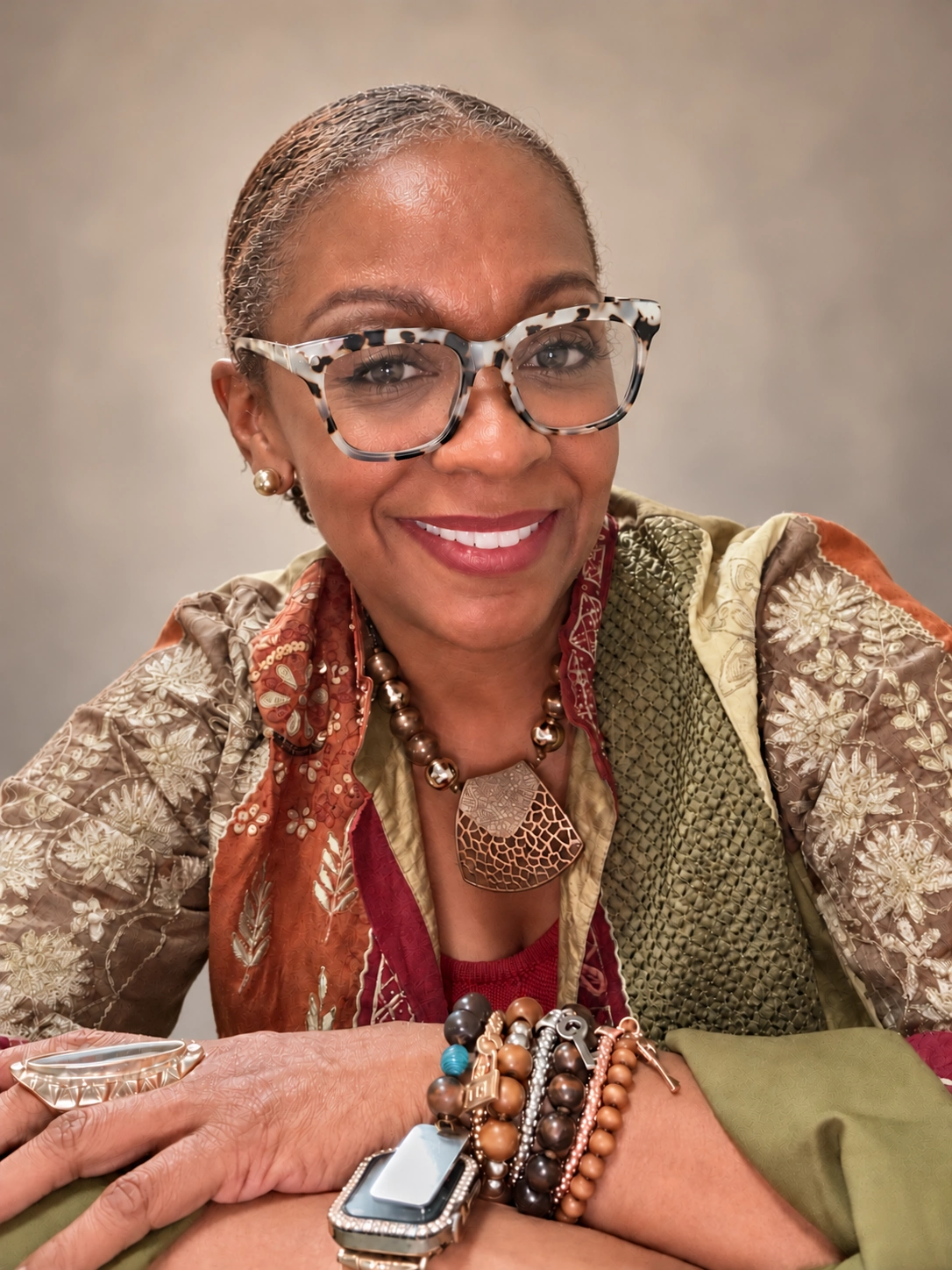
Kwajalyn Bryant-Hogan, author of OTS | Style & Etiquette
Kwajalyn Bryant-Hogan
On Taylor Street, LLC

MEET THE VOICE BEHIND THE SERIES

Kwajalyn
Bryant-Hogan

Welcome! I’m Kwajalyn. I created this space for people who want to grow professionally while bringing their own style, personality, and kindness to the workplace.

My experience in corporate operations, administrative support, education, and interior decorating has taught me to value both the details of presentation and the way we treat people. Here, I share those lessons alongside practical style inspiration you can make your own.

I hope you leave with an idea you can use, a little more confidence, and a reminder that purpose looks good on you.

Professional Image & Workplace Etiquette is part of On Taylor Street, LLC.

Drawing on experience in corporate office operations, administrative coordination, education, and interior decorating, Kwajalyn shares practical lessons about workplace professionalism and the way we show up for one another.

Her Professional Image & Workplace Etiquette series, shared on LinkedIn, explores respect, accountability, discretion, communication, and leadership with kindness.

Author’s Note: Why I Write

I’ve been so encouraged by the conversations I’ve had offline about this series.

I’ll admit, I initially questioned whether I was the person to write it. But after witnessing unprofessional behavior, difficult workplace conversations, and leadership handled well—and sometimes not so well—the question became:

“Why not me?”

I’ve experienced the workplace from both sides: from a leadership perspective and from the other side, sometimes wishing I had been led differently.

Those experiences taught me lessons worth sharing.

My hope is that Professional Image & Workplace Etiquette helps someone see their workplace through a different lens, grow in their own professionalism, or become the person who helps create a healthier workplace for everyone.

We may not control the entire workplace culture, but we can always be intentional about what we contribute to it.

— Kwajalyn Bryant-Hogan

Follow the series on LinkedIn ↗

Educate. Inspire. Empower.

Enlarged professional styling inspiration board